Light is not applied to space. It is an active presence that structures perception, reveals depth, and gives sequence its rhythm.
light
01
Directional Light
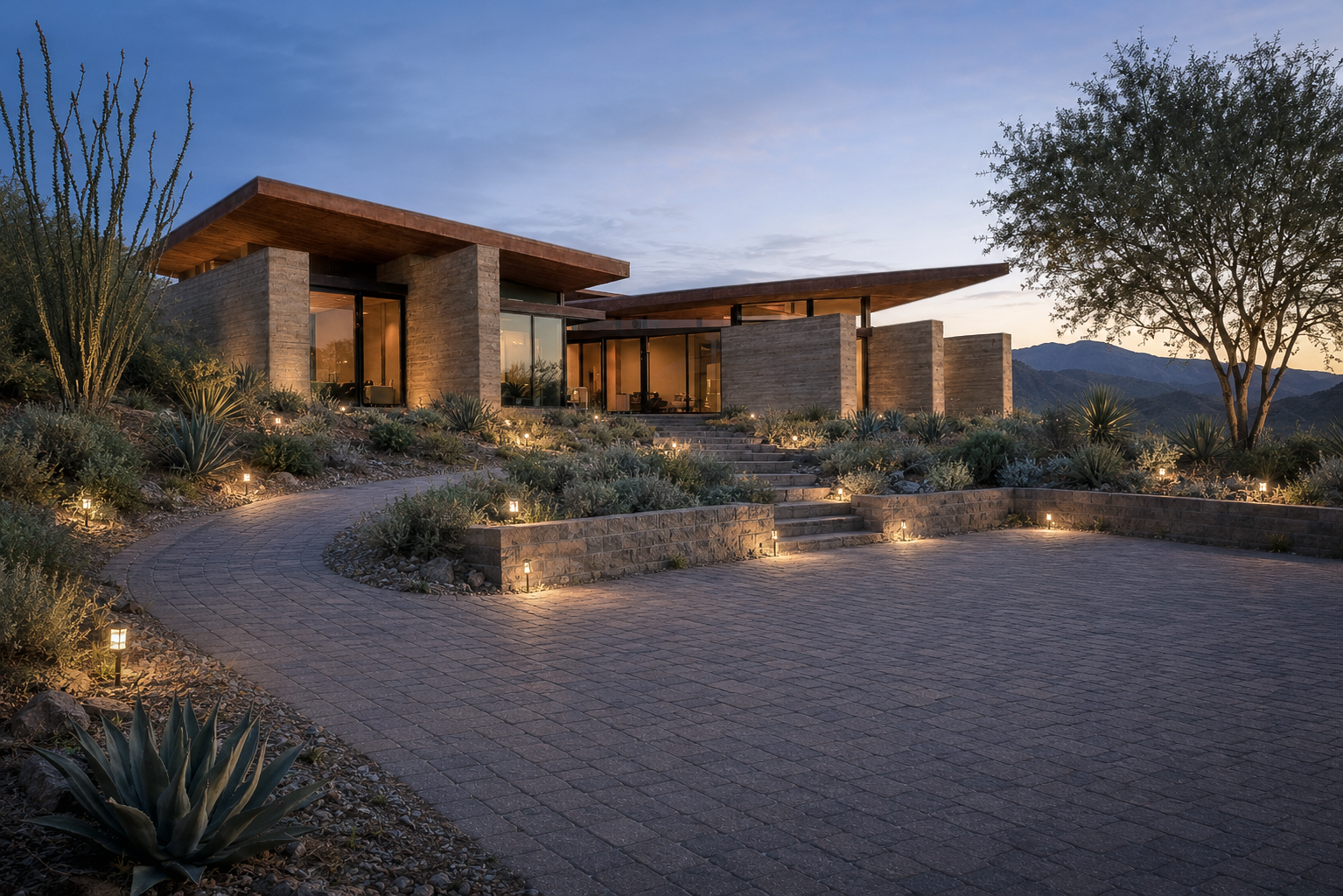
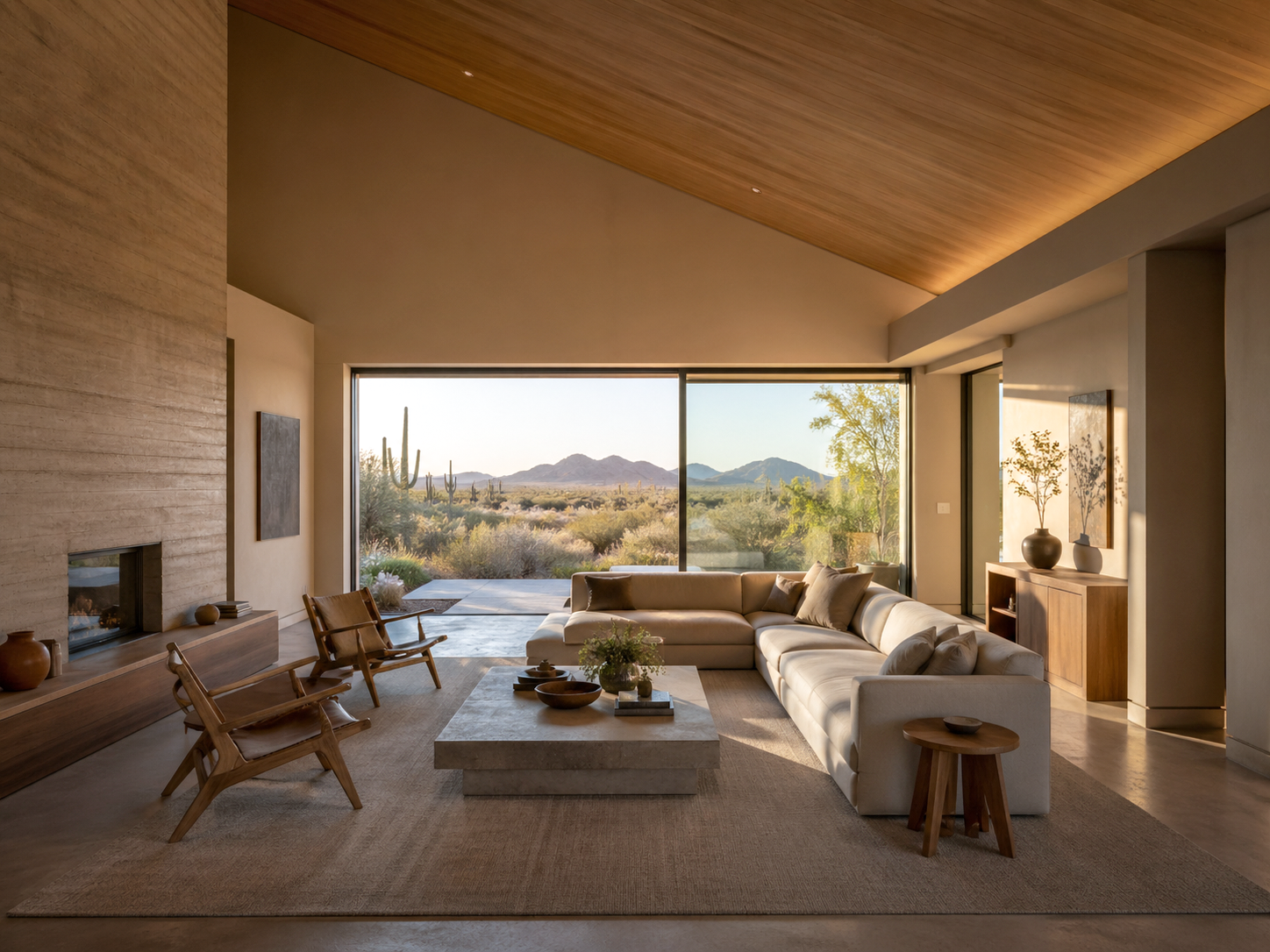
The angle of incidence determines how a surface reads. It can make the texture of material recede or advance, flatten or reveal depth. Directional light is architecture's primary drawing instrument.
02
Shadow
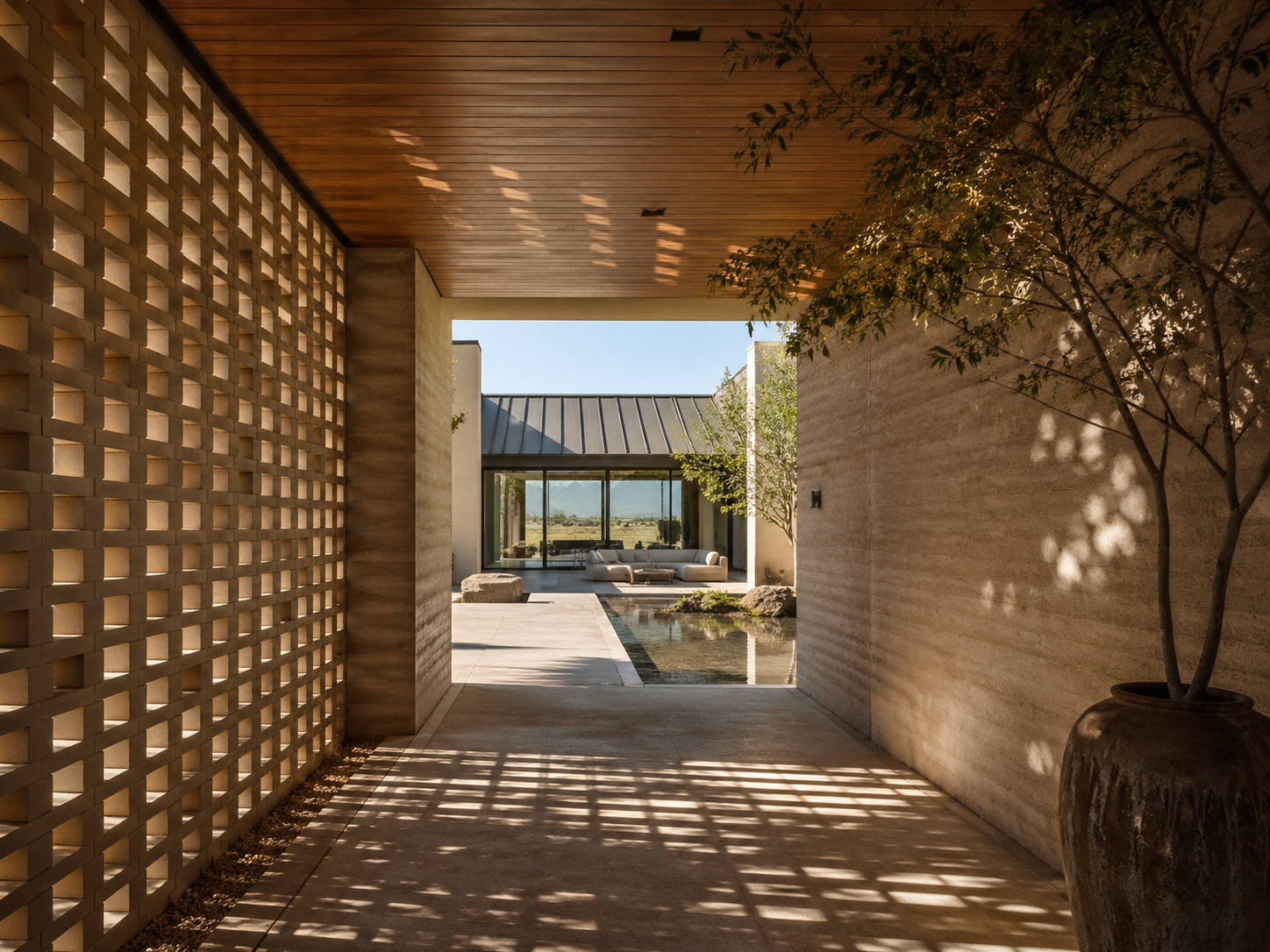
Shadow is not the absence of light. It is a secondary spatial material. As light's counterpart it produces pattern, enhances texture, asserts volume and depth, and marks the passage of time across a surface.
03
Reflection
A polished plane duplicates space, flattens perspective, and appears to reorient gravity. Reflection draws sky onto water, extends volume beyond its surface, and turns it into atmosphere. Used with discipline it can deepen the spatial experience without becoming spectacle.
04
Atmospheric Depth
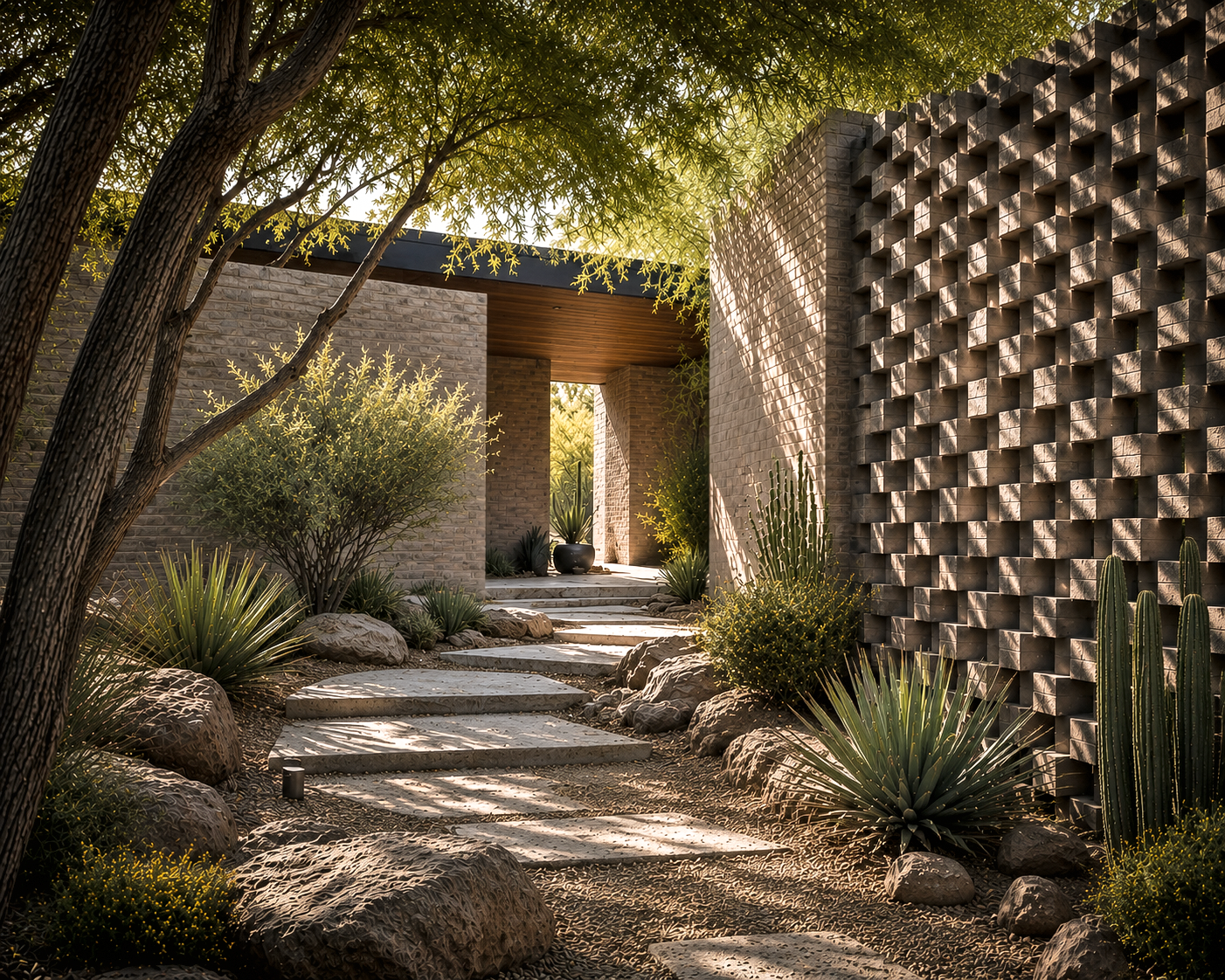
When light passes through screens, translucent surfaces, and glazed openings it gathers texture and uniquity. Space becomes less immediate and more obscured. Depth emerges through diffusion, shadow, and the partial concealment of what lies beyond.